AI Systems
New Study Reveals ChatGPT Usage Erodes Problem-Solving Persistence
UC Berkeley researchers find that 10 minutes of interaction with AI reduces human persistence.

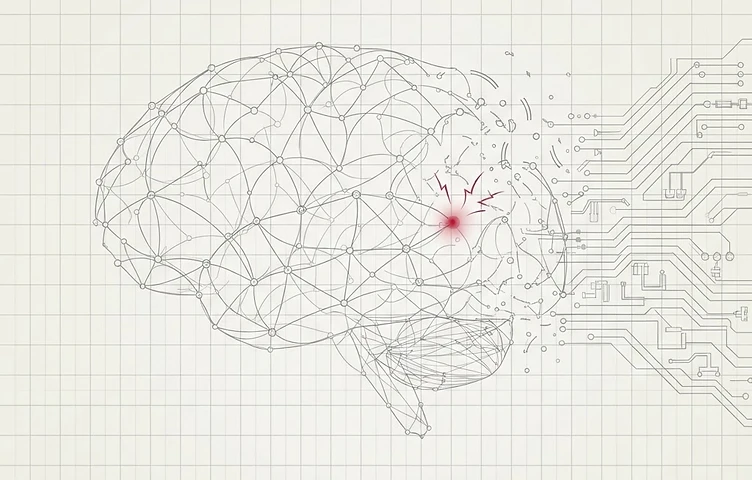
AI-generated editorial illustration · Certainty lab
A recent study conducted by researchers at UC Berkeley has highlighted a concerning trend regarding the impact of generative AI on human cognitive habits. The study, which involved 1,222 participants, found that just 10 minutes of interaction with ChatGPT significantly eroded the participants' persistence when faced with complex problem-solving tasks. The findings suggest that reliance on AI for immediate answers may be conditioning users to abandon difficult tasks more quickly when they encounter obstacles, rather than engaging in the sustained effort required for deep analytical thinking. This research adds to the growing body of evidence concerning the behavioral implications of AI-native platforms in educational and professional settings. As generative AI becomes an integral part of daily workflows, the potential for 'cognitive offloading'—where individuals delegate critical thinking processes to AI systems—could have long-term effects on human problem-solving capabilities. The study emphasizes that while AI tools are powerful assistants, their overuse may inadvertently weaken the very cognitive muscles required for innovation and complex reasoning. The implications for the future of work and education are significant, as organizations and institutions must now consider how to integrate these tools without compromising the development of essential human skills. The researchers suggest that a more balanced approach, which encourages active engagement alongside AI assistance, may be necessary to mitigate these negative effects. This study serves as a critical reminder that the deployment of AI systems is not merely a technical challenge but also a psychological one, requiring careful consideration of how these tools shape human behavior and cognitive development over time.